
How to Grow Your Running Club from 10 to 100 Members
Practical strategies for club organizers who want to grow their running community through smarter recruitment, retention, events, and local partnerships.
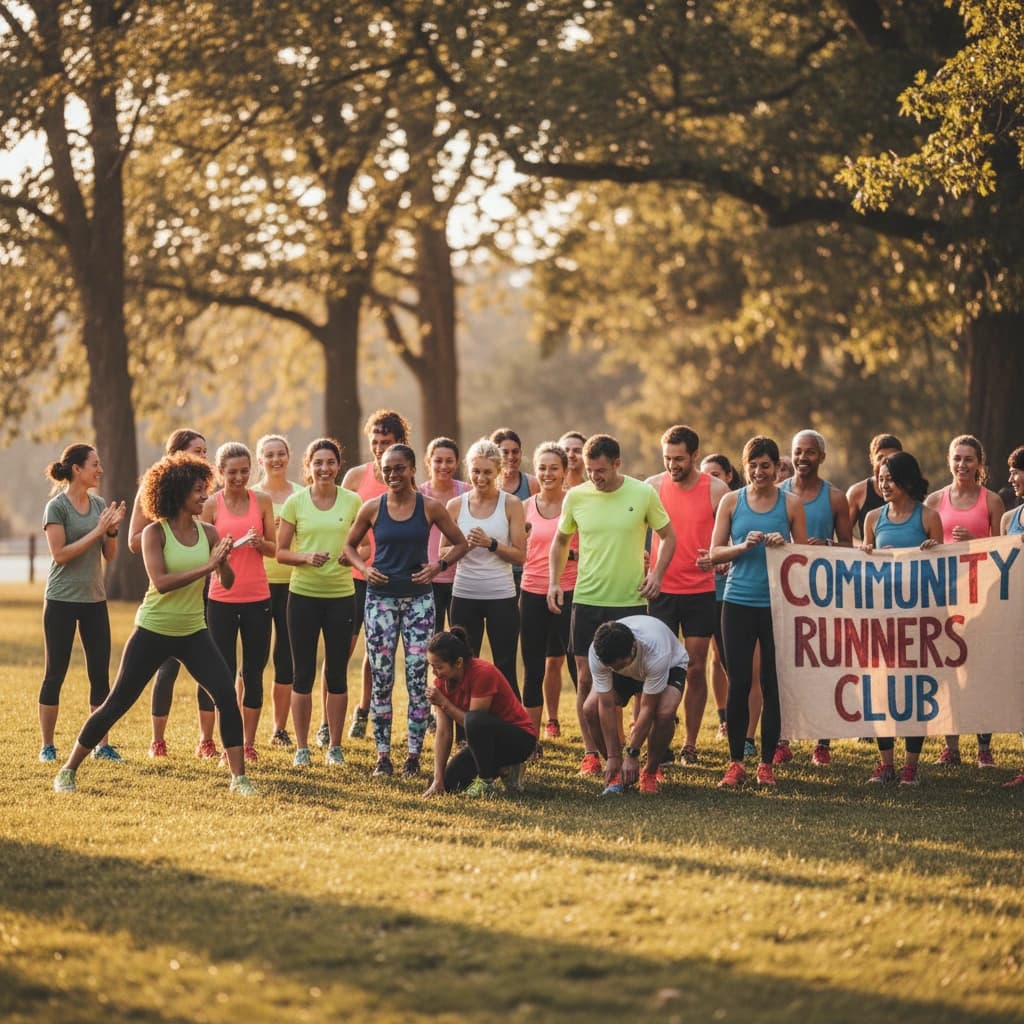
You started a running club. Ten people showed up, maybe fifteen on a good day. The energy is great, the runs are consistent, and you have the foundation of something real. So how do you turn that small crew into a thriving community of 100 or more?
Growing a running club is not about posting flyers and hoping for the best. It takes intentional strategy across recruitment, retention, events, and partnerships. This guide covers the tactics that actually work, based on what the most successful club organizers are doing right now.
Start with Your Core Identity
Before you recruit a single new member, get clear on who your club is for. Clubs that try to be "for everyone" often struggle to attract anyone. The most successful clubs define a clear identity that makes people feel like they belong.
Ask yourself:
- What pace ranges do you serve? Are you a beginner-friendly club, a competitive training group, or a social crew?
- What days and times do you run? Morning runners and evening runners are often different demographics.
- What is the vibe? Serious training, casual fun, post-run coffee, beer miles, or all of the above?
When your identity is clear, it becomes much easier to attract the right people and keep them coming back. A club called "Saturday Morning Social Run" tells potential members exactly what to expect. A club called "Austin Running Group" does not.
Build a Consistent Weekly Schedule
The number one predictor of club growth is consistency. If people know that your club meets every Tuesday at 6:30 PM and every Saturday at 8:00 AM, they can build it into their routine. Inconsistent scheduling kills momentum.
Here is what a strong weekly schedule looks like:
- Two to three regular runs per week at fixed times and locations
- One beginner-friendly option that is explicitly labeled as such
- One social or theme run per month (trail run, brewery run, taco run)
Publish your schedule at least a month in advance. Use a shared calendar, your website, or a platform like RunLink to make it easy for anyone to see upcoming runs and RSVP.
Recruit Through Word of Mouth (With a System)
Word of mouth is still the most effective recruitment channel for running clubs, but most organizers leave it to chance. You can do better.
Give every member a reason to invite a friend. After each run, say something like: "If you had a good time today, we would love it if you brought a friend next week." That simple prompt works far better than flyers or social media ads.
Create a "Bring a Friend" run once per quarter. Make it a special event with snacks, slower pace options, and a clear welcome for newcomers. People are more likely to invite friends to a special event than a regular Tuesday run.
Follow up with every new face. When someone shows up for the first time, get their name, add them to your group chat or email list, and send them a personal message afterward. A simple "Thanks for coming out, hope to see you next week" makes a massive difference in whether they return.
Make Your Club Discoverable Online
Most people looking for a running club start with a Google search or a social media browse. If your club is not visible online, you are missing out on dozens of potential members every month.
Here is a basic online presence checklist:
- Google Business listing with your club name, location, and schedule
- Instagram account with regular posts (run recaps, member spotlights, event announcements)
- A listing on a running club directory like RunLink, so runners searching by city or zip code can find you
- A simple website or landing page with your schedule, location, and how to join
You do not need a marketing budget. Consistency is more important than polish. Post a photo from every run, tag your location, and use local hashtags like #AustinRunning or #ChicagoRunClub.
Retain Members with Culture, Not Just Runs
Growing from 10 to 100 means you need to keep the members you already have. Retention is where most clubs lose the growth game. People join for the runs, but they stay for the community.
Post-run socials are essential. Whether it is coffee, breakfast, or just hanging out in the parking lot for 20 minutes, the social time after the run is often more valuable than the run itself. It is where friendships form.
Celebrate milestones. When someone finishes their first 5K, hits a PR, or shows up for their 50th club run, acknowledge it publicly. A shoutout in the group chat, a mention at the next run, or a small token goes a long way.
Create roles for members. People feel more invested when they have a role. Ask reliable members to be pace leaders, social coordinators, or new member welcomers. This distributes the work and deepens engagement.
Ask for feedback regularly. Send a short survey every quarter: "What is going well? What could be better? What event would you love to see?" When members feel heard, they stick around.
Use Events as Growth Catalysts
Events are the single best tool for rapid membership growth. A well-organized event can bring in 20 to 50 new faces in a single day.
Types of events that drive growth:
- Fun runs with a theme (holiday runs, costume runs, glow runs)
- Training programs for a local race (8-week 5K training, half marathon prep)
- Community service runs (run to clean up a trail, charity miles)
- Partnerships with local businesses (brewery runs, run shop demo days)
For each event, make sure you:
- Promote it at least three weeks in advance
- Create a simple RSVP process (a form, a platform like RunLink, or even a group chat poll)
- Collect contact info from every attendee
- Follow up within 48 hours with a thank-you and invitation to join regular runs
Partner with Local Businesses
Local partnerships are underused by most running clubs, but they are a goldmine for growth and member retention.
Running stores are natural partners. Ask if you can host a weekly run from their shop, co-promote events, or feature their products in your communications. Many stores are looking for exactly this kind of community engagement.
Breweries, coffee shops, and restaurants near your run routes can serve as meeting points or post-run hangouts. Propose a partnership where you bring a group of 20 to 50 people to their location every week. Most will happily offer a small discount or sponsor snacks.
Gyms, physical therapists, and sports chiropractors can provide guest workshops on injury prevention, strength training, or nutrition. These add value for your members and expose the partner's business to new clients.
Track Your Numbers
You cannot improve what you do not measure. Every month, track these basic metrics:
- Total members (how many people are in your group chat, email list, or RunLink club)
- Average attendance per run
- New members this month
- Returning members (people who came more than once)
If attendance is flat, you need better promotion. If new members join but do not come back, you have a retention problem. If existing members are dropping off, ask them why.
A simple spreadsheet works for this, or you can use a club management platform that tracks it for you automatically.
Scale Your Leadership
The biggest mistake growing clubs make is leaving everything on one person. When the founder is the only organizer, burnout is inevitable, and the club stalls.
At 30 members, you should have at least two co-leaders. At 50, you need a small leadership team. At 100, consider having:
- A club director who handles strategy and partnerships
- A run coordinator who manages the weekly schedule and routes
- A social media lead who handles online presence
- Pace group leaders for different ability levels
Delegate early. The members who volunteer for leadership roles are the ones who will keep your club alive when you need a break.
The Path from 10 to 100
Growing a running club is a marathon, not a sprint. The clubs that reach 100 members do not get there through a single viral post or one big event. They get there through consistent weekly runs, intentional recruitment, strong retention practices, and smart partnerships, repeated over months and years.
Start with your identity. Build a consistent schedule. Make it easy for people to find you and easy for members to invite others. Create experiences that make people want to come back. And scale your leadership so the club does not depend on any one person.
The running community is growing, and there are more people looking for a club than you might think. Your job as an organizer is to make your club visible, welcoming, and worth coming back to. Do that, and the numbers will follow.